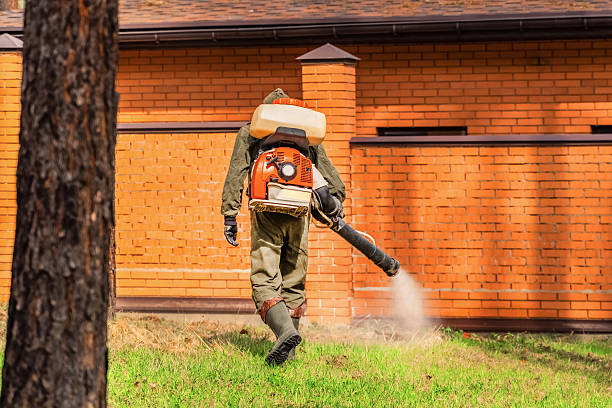
Treating one nest and calling it done is how a wasp problem comes back in three weeks. Our technicians in Trophy Club inspect the full property for all nest types -- including the ones inside walls, in the ground, and in trees the customer never noticed.
Full sweep, correct sequence, residual prevention -- the complete wasp elimination protocol.
Most wasp problems are multi-nest situations. Treating only the visible one leaves the secondary nests intact. We check all potential nesting sites on the first visit -- not because something went wrong, but because that is how the job is done correctly.
Yellow jacket ground nests can contain 5,000 or more workers and attack in numbers that overwhelm unprepared DIY attempts. Bald-faced hornet nests near a structure require approach from an angle and distance the standard spray can cannot reach. Our technicians carry full bee suits, gloves, and extension equipment for every nest type.
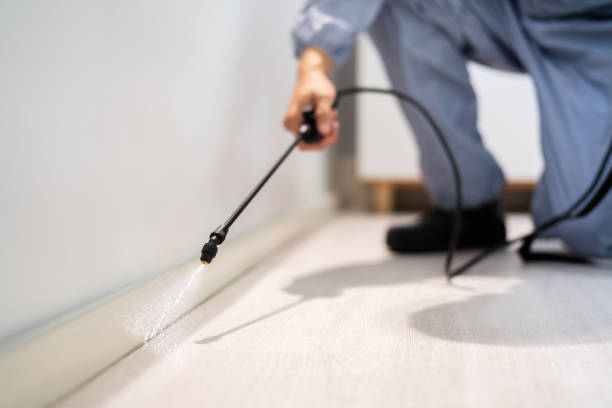
Void nests are the most frequently mishandled wasp situation. Spraying the entry point collapses the guards but does not reach the nest itself. We treat void nests from the inside, targeting the nest chamber directly before sealing the cavity against recolonization.
Treated nesting sites without a residual barrier become next year's nesting sites. We apply residual product to all treated locations -- eave surfaces, ground openings, former void entries -- so that returning queens cannot re-establish. The prevention step is what makes wasp removal last more than one season.
Paper wasps are the most common stinging insect encountered by homeowners in Trophy Club, TX. They build open, umbrella-shaped combs -- visible hexagonal cells without a paper envelope surrounding them -- typically under eaves, in window frames, inside porch ceilings, and along fence tops. Paper wasps are not aggressive by nature and will not attack unless the nest is directly handled, struck, or approached to within about 12 inches. A single paper wasp colony typically contains 20 to 100 workers and dies off naturally as temperatures drop in fall, with the colony queen overwintering in protected sites. The nest will not be reused the following spring -- but a new queen may establish a new nest in the same location. Most homeowners significantly over-react to paper wasp nests and would benefit from understanding that a nest in a low-traffic location poses minimal risk. The real concern is a nest directly over a doorway, at a play area, or in a location where people regularly pass within arm's reach.
The behavioral profile of yellow jackets -- as opposed to paper wasps -- is the reason void nests and ground nests require professional treatment. A yellow jacket colony does not tolerate intrusion. The defensive response is proportional to colony size: a small early-season colony of a few hundred workers produces a manageable defense, while a late-summer colony of 4,000 or more produces a simultaneous attack by dozens of workers that can result in multiple stings before a person can retreat. DIY knockdown spray aimed at the entrance of a ground nest stimulates the colony's defensive response without delivering enough active ingredient to the interior to eliminate the population -- the result is an agitated colony that is now aware of a threat at its entrance, with hundreds of workers mobilized in defense and an undamaged nest interior.
Identifying a bald-faced hornet nest versus other paper nests is important because the treatment protocol -- and the safety profile for the person attempting treatment -- is significantly different. The enclosed gray paper envelope is the key visual identifier. Bald-faced hornets will exit the nest and pursue a threat at distances that paper wasps will not. Do not approach the nest within 10 to 15 feet without protective equipment. If the nest is in a tree near an active area of the yard, near an entrance, or in a location where children or pets will be nearby, same-day service is appropriate.
Wasp nest near a doorway, play area, or pet area in Trophy Club? Call +1-866-315-0243. We prioritize active stinging insect calls in Trophy Club for same-day response.
Void nests are confirmed by the pattern of worker entry and exit through a single gap in the exterior structure. Unlike aerial nests or ground nests, the nest body is completely invisible from outside. The danger of the entry-point-spray approach is not just ineffectiveness -- it can cause the colony to establish secondary exits deeper in the wall, meaning workers begin exiting inside the structure if there is interior drywall access or through different exterior locations. The problem expands rather than being contained. Void injection through an interior or exterior access point that reaches the nest chamber is the approach that eliminates the population. Sealing the entry point afterward prevents recolonization.
The fall window after natural colony die-off is the right time to apply residual to recurring nesting sites. Eave surfaces where paper wasp combs have been removed year after year, attic ventilation screens with prior yellow jacket activity, and foundation areas near prior ground nest sites all benefit from post-season residual application. It prevents the queen that overwinters from re-establishing at the same location -- the most predictable source of next year's nest problem. For properties with structural vulnerabilities -- gable vents, attic ridge vents, deteriorated fascia board gaps -- we assess those sites at the same time and discuss whether exclusion repairs would further reduce re-entry risk in future seasons.
Same-day response for active wasp and hornet nests in Trophy Club. Call and we confirm arrival before you hang up.
Call +1-866-315-0243Six services covering every nest type and situation -- from paper wasp eave removal to yellow jacket void injection.
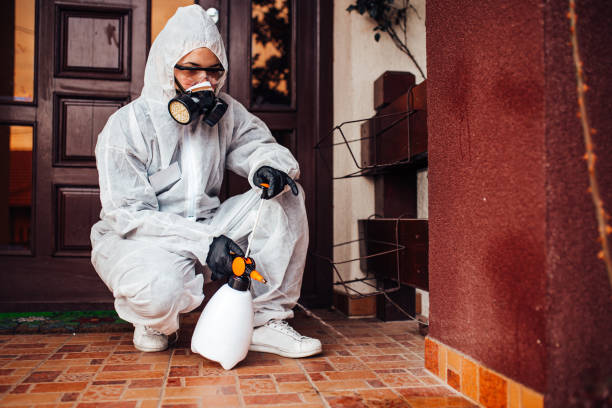
Eaves, ground areas, tree structures, and all exterior surfaces checked before treatment begins. Multiple nests found on most properties.
Open-comb paper wasp nest removal from eaves, window frames, door frames, porch ceilings, and fence structures. Residual applied to the nesting site after removal to prevent next season's queen from re-establishing.
Ground nest treatment with full protective gear, correct product application to the nest interior, and entrance sealing to prevent reuse.
Hornet nests in trees and on structures treated from a safe distance with professional equipment. Do not attempt DIY treatment on enclosed hornet nests.
Void nest identification by entry pattern and acoustic confirmation. Treatment through interior or exterior access point to the nest chamber -- not at the entry hole. Entry sealed after colony elimination to prevent recolonization and structural moisture issues.
Preventive fall treatment is the most cost-effective protection against recurring annual nesting at known sites.
Clear process, confirmed on the call.
Species and location described on the call. Threat level assessed. Arrival time confirmed.
Full bee suits, extended-reach application equipment, and species-specific products. The protective protocol is matched to the nest type described on the call -- not a one-size approach.
The sweep happens before any treatment. Every nest type on the property is identified, mapped, and included in the treatment sequence.
Treatment sequence is determined by nest type and location -- the correct order minimizes defensive response cross-contamination. Residual applied to prevent re-establishment.
Three situations -- including a bald-faced hornet nest DIY attempt and a void nest a previous contractor missed.
I found the ground nest when I was nearly on top of it. Called Show Me Pest Control immediately. Same-day service on a Sunday. Technician found two additional nests during the sweep. Every nest treated. No stings at pickup the next day.
The hornet nest in the tree branch looked like a large paper wasp nest to me. I sprayed it. Eleven stings. Show Me Pest Control came out the same afternoon, identified the species immediately, treated from a correct distance with the right equipment. The difference in approach was night and day from what I had attempted.
The soffit spray was not working and the contractor could not explain why. Show Me Pest Control confirmed a void nest the moment they looked in the attic. Treated directly, sealed the entry. First season without stings at the entrance in two years.
Same-day wasp removal in Trophy Club. Call and we confirm arrival before you hang up. Full property nest sweep included on every visit.
Call +1-866-315-0243 -- Same Day